
CCUS
THINK : FOOD
FAST CARBON CYCLE
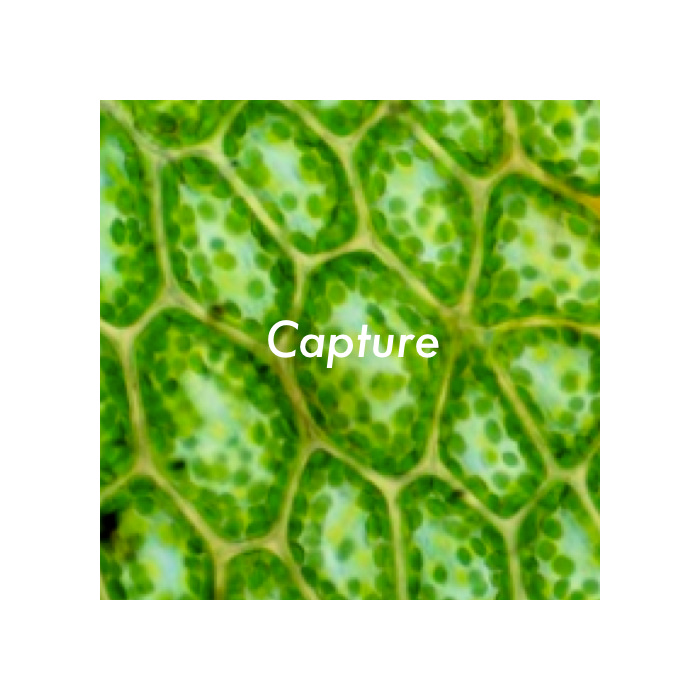
"Plants and phytoplankton are the main components of the fast carbon cycle. During photosynthesis, plants absorb carbon dioxide (#co2) and sunlight to create fuel - glucose and other sugars - for building plant structures." (1)
CCUS: 🌱 Plant Carbon Capture, Utilization & Storage
"Large-scale carbon sequestration is possible through a range of options, each with its own advantages and drawbacks. One family of methods centres on enhancing natural biogeochemical processes...
Examples include:
(i) boosting the growth of standing carbon stock in plants in cropping and pasture systems through cover- and inter-cropping (eg. #agroforestry);
(ii) re-establishing and/or enhancing #soil organic carbon (SOC) stocks;
(iii) production of #biochar, which is plant biomass transformed at elevated temperatures under oxygen-limited conditions (pyrolysis) into a recalcitrant form that withstands decomposition for many decades/centuries to possibly even millennia; and
(iv) increasing the inorganic carbon sink in soils via Mg and Ca silicate weathering by working finely ground rock (#basalt) into soils.
"The combined global carbon sequestration potential of such measures has been estimated at 0.3–6.8 Gt C year−1." (2)
SYNERGY
"The integrated system is #regenerative, through enhanced virtuous cycles that lead to improved plant (carbon) capture, biomass storage and crop yield, the pre-requisites for large-scale carbon sequestration along with food security." (2)

Sources:
(1) "The Carbon Cycle" Nasa Earth Observatory
(2) “Enhancing Natural Cycles in agro-ecosystems to boost plant carbon capture and soil storage.” Oxford Open Climate Change, Buss et al. (2021)